


Every crisis leaves lessons behind.
In our monthly Crisis Series, Phoenix Resilience examines real-world events and the decisions that influenced their outcomes.
This month we are talking about Biological Crises.
The Crisis Series: Biological
July 1, 2026
A biological crisis occurs when a harmful pathogen (such as virus, bacteria, fungi or parasite) spreads through a population faster than the systems designed to contain it can adapt.
The defining features of a biological crisis are the disease vector, its spread, and its impact.
Historical example: The Black Death (1346-1353)
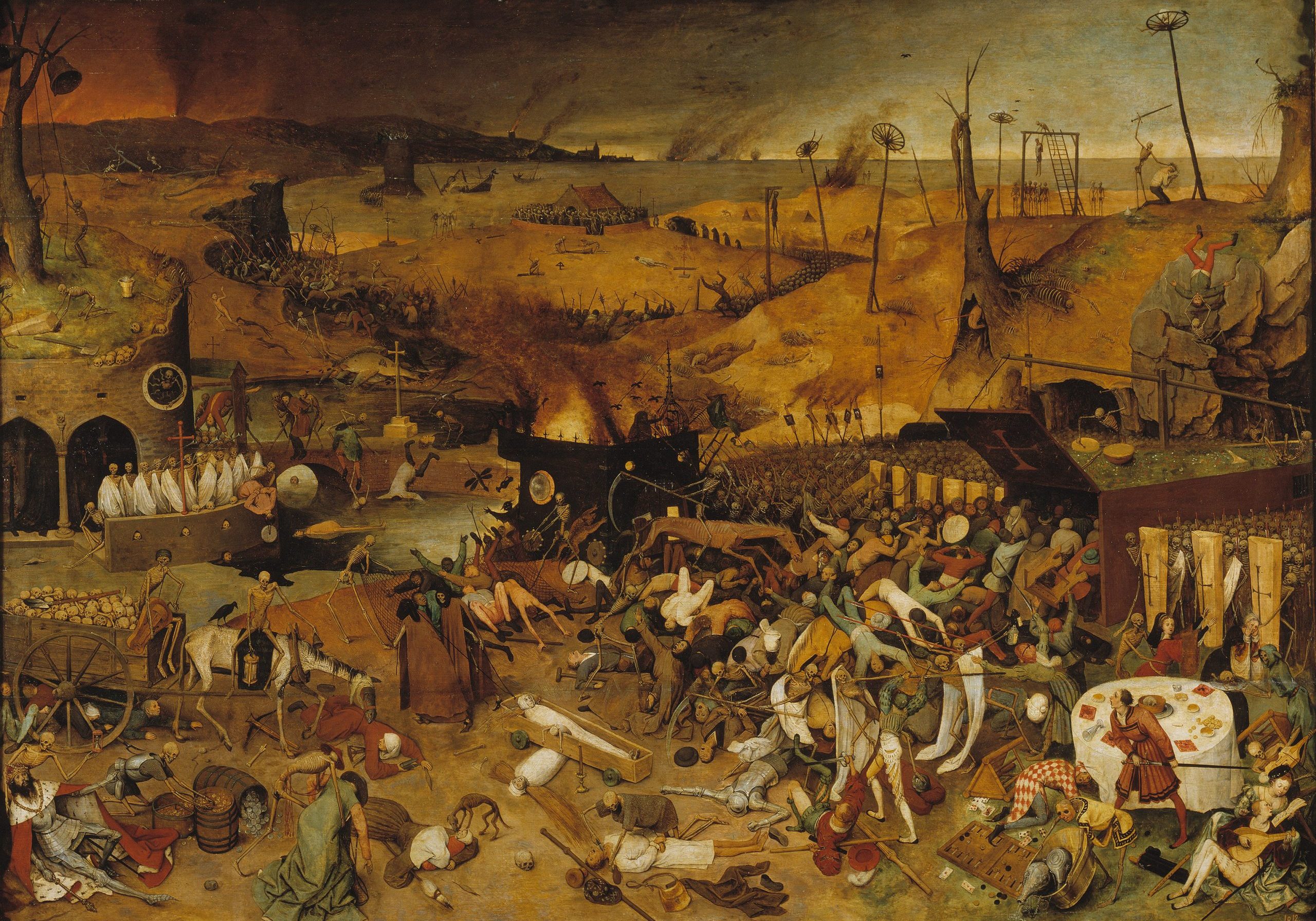
The Black Death sits at the extreme end of biological crisis history.
With an estimated death toll of 75–200 million people, the Black Death overwhelmed every level of medieval society.
When it appeared in 14th century Europe, people had no explanation of its causes beyond superstition and fear.
What had been interpreted as miasma (dirty air), cataclysmic astrological aligning of planets, and stars or Divine punishment was the spread of a bacterium called Yersinia pestis.
This bacterium spread through bites from disease-ridden rats, respiratory droplets, and infected bodily fluids.
Trade ships carrying the rats facilitated the plague’s transcontinental spread.
Response strategies to the plague ranged from simple to bizarre.
Quarantines were implemented with ships and travellers isolated, clothes and belongings of victims were burned, mass burials were conducted outside city walls, public gatherings were banned, and some cities appointed “plague doctors” to tend to the sick.
This first pandemic eventually subsided, but the plague remained endemic and returned in smaller, recurring outbreaks over the next several centuries.
Better sanitation, hygiene and medical advancements helped ease the situation, but this bacterium has never completely disappeared and still reappears in the modern world.
The Spanish Flu (1918)
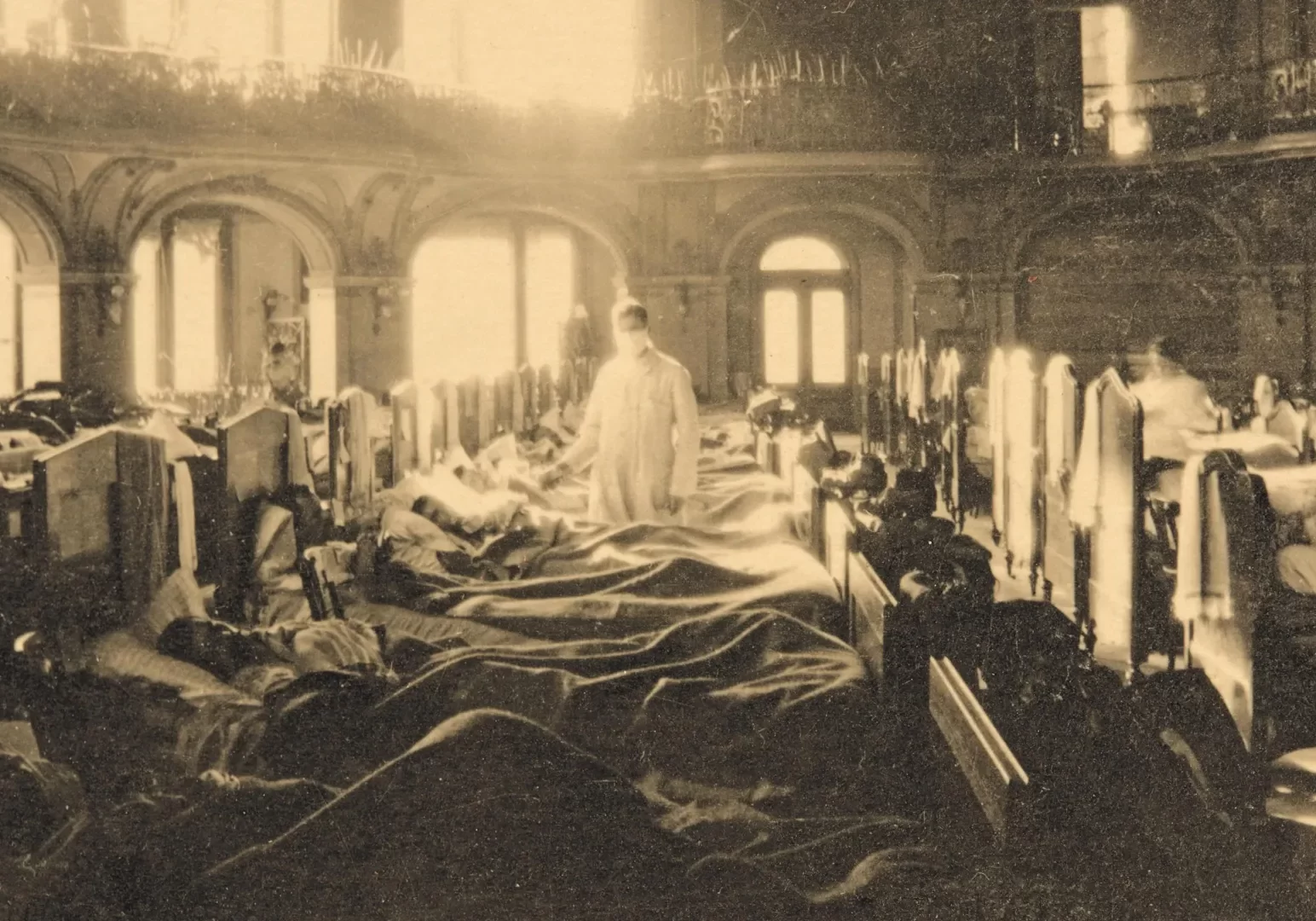
The 1918 influenza pandemic, widely known as the Spanish flu, spread through a world already destabilised by World War I.
It ultimately infected about a third of the world’s population and killed at least 50 million people.
The disease vector, Influenza A virus subtype H1N1, moved through transport networks, including troop ships and trains, and quickly spread through overcrowded war affected cities.
The early 20th century lacked pharmaceutical interventions such as vaccines and antiviral treatments.
Response strategies relied on quarantine measures, mask use, isolation of the sick, school closures, and bans on public gatherings.
Populations that implemented these responses early and consistently generally experienced lower death rates, showing that even in the absence of medical technology, timing and behavioural controls have a measurable effect on outcomes.
HIV
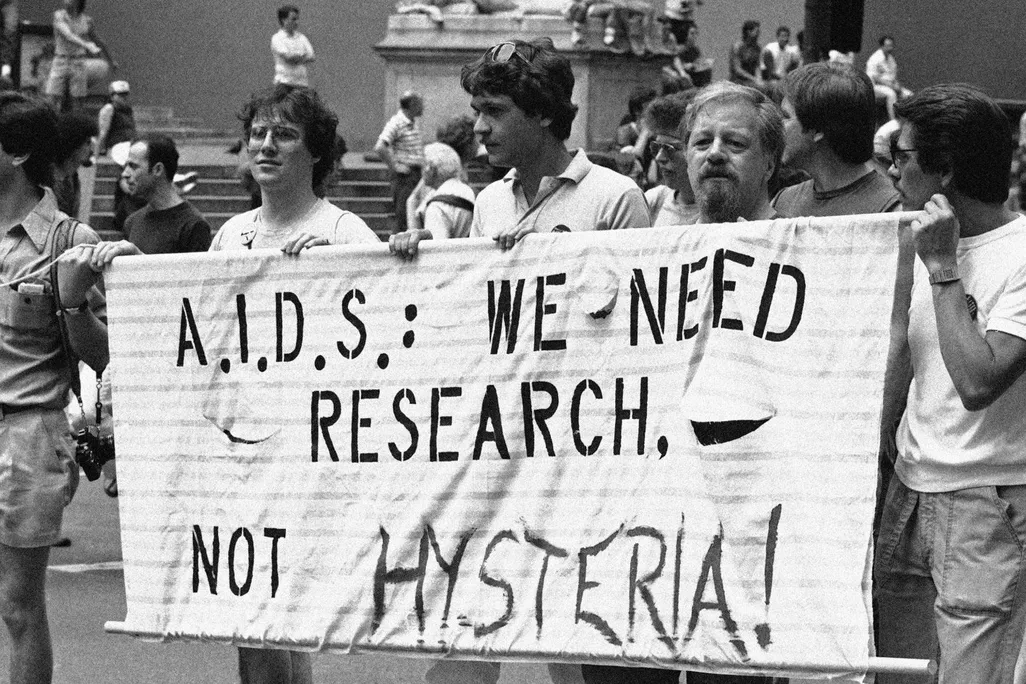
HIV/AIDS emerged in the early 1980s as a biological crisis that, despite spreading at a slower rate than influenza, produced a devastating impact and caused over 40 million deaths worldwide.
Unlike acute outbreaks, HIV propagated through transmission routes that initially led to confusion, fear, and stigma.
Early responses were ineffective or delayed due to denial, discrimination, and political hesitation, which allowed the virus to spread before any large-scale action was taken.
Over time, mitigation saw a significant improvement through public health education campaigns, widespread screening, harm reduction strategies, and the development of antiretroviral therapies that turned HIV from a fatal disease into a manageable condition for many of those with treatment access.
COVID-19
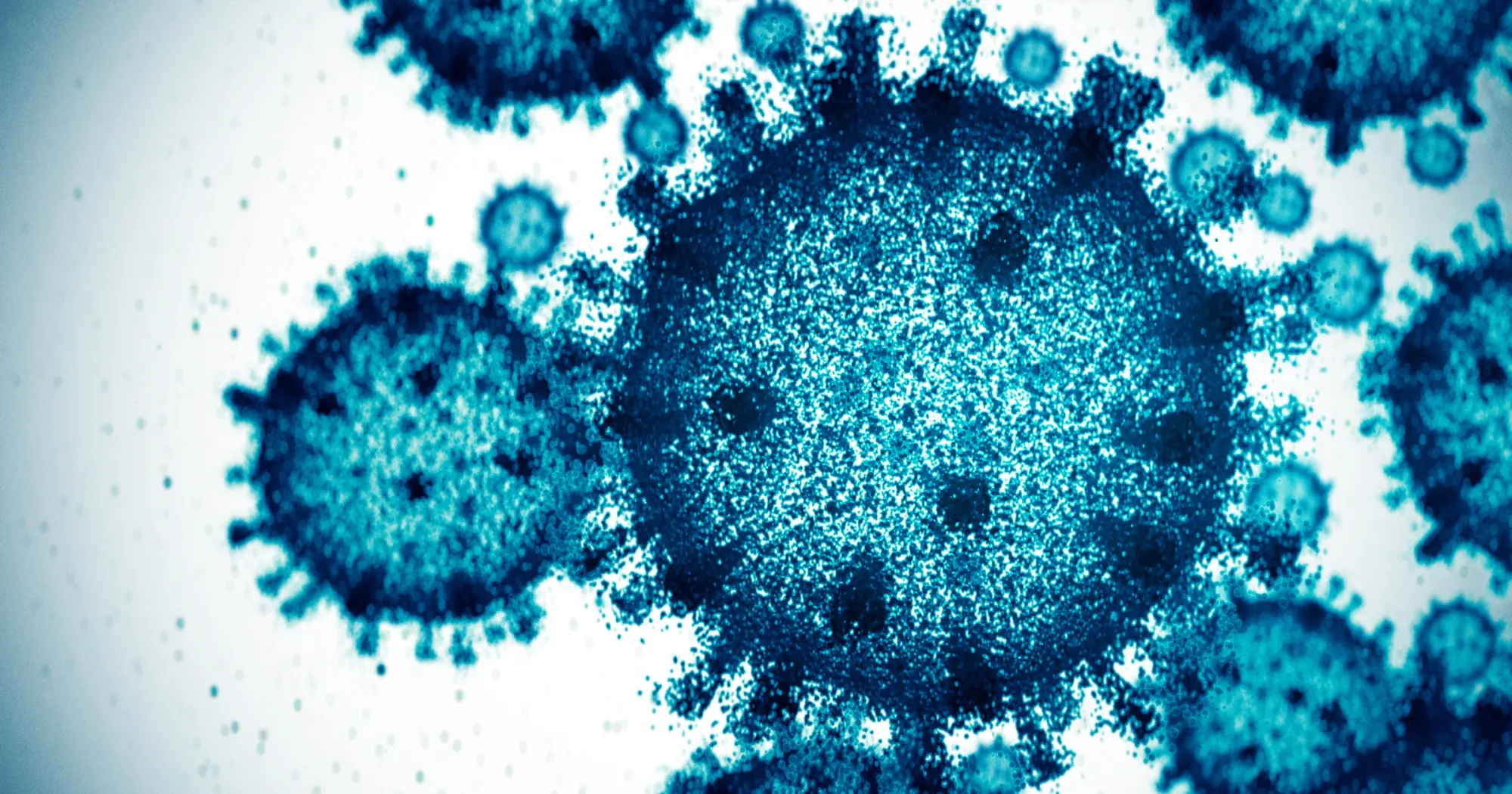
The COVID-19 pandemic is an event with which everyone is familiar, but an article on biological crises would not be complete without its mention.
This virus infected over 750 million people across the world, caused over 7 million deaths, and triggered massive economic and social disruption.
Its impact was boosted by modern global connectivity such as air travel, highly populated urban populations, and interconnected supply chains, which allowed the virus to move across continents within weeks.
Governments responded with large-scale interventions such as lockdowns, border closures, mask mandates, and mass vaccination campaigns developed at extraordinary speed using mRNA and viral vector technologies.
While these measures reduced mortality rates and prevented healthcare systems from fully collapsing in many regions, the crisis exposed weaknesses in global coordination, public trust, and the spread of misinformation, all of which significantly shaped the response’s effectiveness.
How To Combat A Biological Crisis
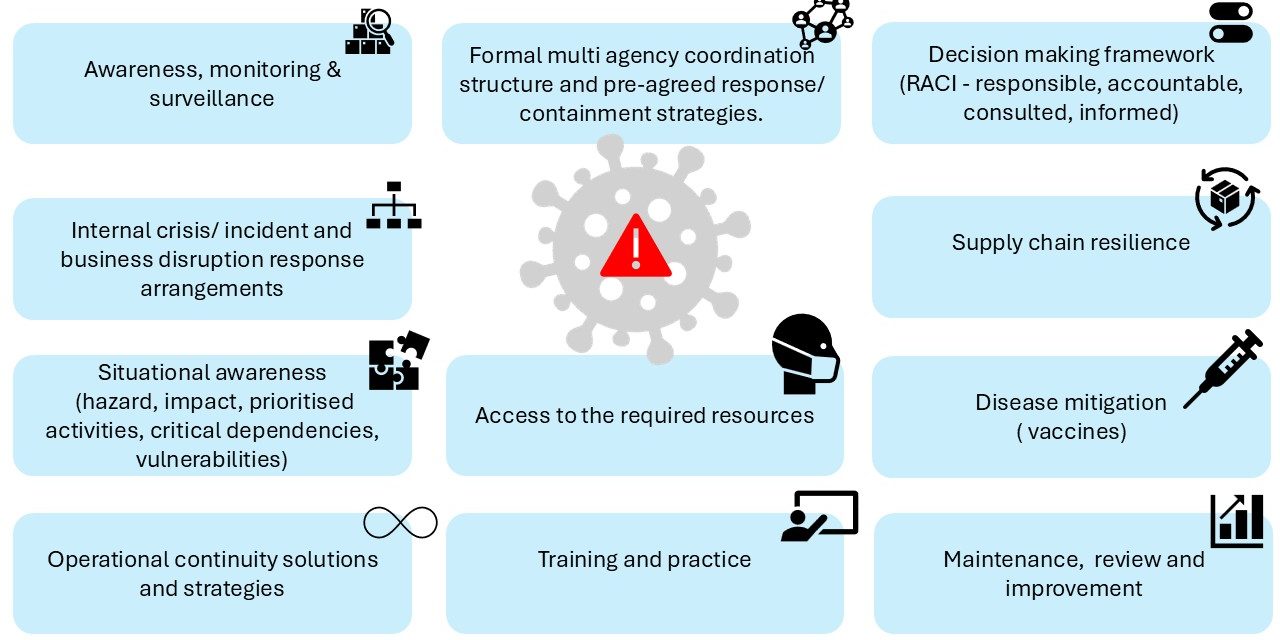
Pandemic Preparedness
Effective mitigation of a biological crisis depends heavily on preparedness.
This includes building strong health infrastructure such as well-funded hospitals, intensive care capacity, and trained public health workforces that can scale up quickly during outbreaks.
It also involves the production and strategic storage of antiviral drugs and essential medical supplies, so shortages don’t stifle early response efforts.
Large-scale vaccine campaigns, supported by ongoing research and manufacturing, allow societies to reduce transmission and severity once a pathogen is identified.
Preparedness guarantees that surveillance systems and emergency plans are in place and can be activated immediately.
Measures that will ensure a timely response within an organisation include:
- Embed methods for establishing and maintaining situational awareness of the threat, impacts and risks
- Know who you need to work with, the remit of each agency, and under what mandate collaboration is organised
- Have clear trigger points for escalation to the organisation’s crisis management arrangements
- Maintain the Business Impact Analysis so it provides immediate insight into which Prioritised Activities require workarounds and who/what is key to their continuation
- Develop and maintain Operational Continuity Plans that describe the who, what, where, when and how of workarounds
Most importantly, have clarity on decision-making arrangements – how decisions are made, who needs to be involved, who can authorise, and who needs to be informed. Ethical decisions regarding matters like quarantine enforcement, resource allocation, and prioritisation of care should be agreed and formalised in advance to reduce decision making time. As a disease is spreading, every minute counts.
Finally, awareness is critical. Informed populations and organisation members are more likely to comply with health measures, which reduces panic, misinformation, and resistance during a crisis.
Rapid Decisive Response
When a biological crisis is in motion, defence moves from preparedness to response. Thorough preparedness is the foundation for an effective response.
A quick and decisive response is one of the most critical factors in reducing the impact of a biological crisis.
Acting early through measures such as rapid testing, contact tracing, isolation of cases, travel restrictions, and temporary social (physical) distancing can significantly slow transmission before it becomes widespread.
Historical examples show that delays in response of days or weeks can dramatically increase infection rates and deaths, while fast action can contain outbreaks at a local level.
A decisive response requires clear leadership and consistent communication so that policies are implemented quickly and understood by the public.
What effective response looks like
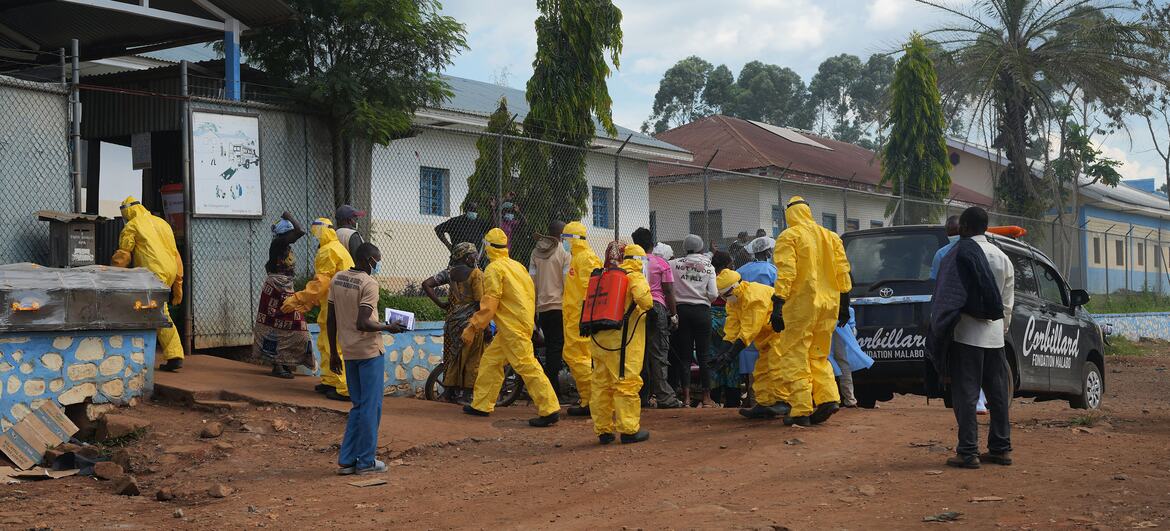
History provides several examples of rapid, decisive and effective response in action.
The eradication of smallpox was achieved through a global vaccination campaign led by the World Health Organization. Through sustained and strategic immunisation efforts, smallpox was eliminated completely.
The SARS outbreak in 2003 was successfully contained through speedy identification of cases, surveillance and tracing, strict isolation, and international information sharing, preventing a wider global pandemic.
The H1N1 influenza pandemic in 2009 saw the rapid development and distribution of vaccines, which helped reduce the severity of the global spread.
During Ebola outbreaks, particularly in West Africa, international aid, medical deployment, and community engagement helped slow transmission and improve survival rates.
When responses are fast, coordinated, and scientifically driven, biological crises can be successfully controlled.
Current Case: Hantavirus

In April 2026, the MV Hondius cruise ship suffered an Andes virus (hantavirus) outbreak after departing Argentina on 1 April.
There were 10 confirmed cases, 2 suspected cases, and 3 deaths.
The first death occurred on board on 11 April, with subsequent deaths in Saint Helena/Johannesburg and on board on 2 May.
After stops in Tristan da Cunha and Saint Helena (where some passengers disembarked) and a holding period in Cape Verde, the ship arrived in Tenerife on 10 May.
All passengers disembarked and were repatriated to multiple countries for quarantine.
The remaining crew sailed the ship to Rotterdam, arriving on 18 May, where everyone disembarked and entered quarantine.
The Andes virus, notable as the only hantavirus known to spread between humans, prompted the WHO to reassure the public that the epidemic risk remained low. The ship was disinfected and cleared to return to service on 30 May.
The Future
Vaccine hesitancy driven by misinformation, declining trust in governments, and post-COVID anti-restriction sentiment has major implications for future biological crises.
A decline in vaccination adherence weakens one of the most effective tools available for controlling infectious disease outbreaks.
When misinformation spreads faster than public health communications, it can reduce vaccination uptake and compliance with simple control measures, allowing preventable diseases to resurge or spread more rapidly.
Reduced trust in institutions also makes it harder for governments and health organisations to implement interventions during emergencies, which slows response times and increases uncertainty.
The long-term effect is a vulnerable population with lower overall immunity. Future outbreaks would be more likely to spread widely before mitigation strategies could take effect.
Biological crises show a consistent pattern of widespread death, economic disruption, and social instability when diseases outpace society’s ability to respond.
Across these events, outcomes have improved over time as crisis management strategies evolved, particularly through pandemic preparedness, rapid and decisive early responses, global coordination, and the development of vaccines and medical treatments.
However, each case highlights that success depends not just on medical capability but also on trust, communication, and public compliance.
While biological crises cannot be fully eliminated, their impact can be significantly reduced when people invest in preparation and act quickly.
This article is part of Phoenix Resilience's Crisis Series.
Join us on August 1 for our next instalment as we explore crises of Skewed Values, Mismanagement, and Deception and the lessons they hold for crisis leaders and organisations.
© Phoenix Resilience 2026